
Data Analytics for Logistics: How to Use Data Analysis for Logistics?
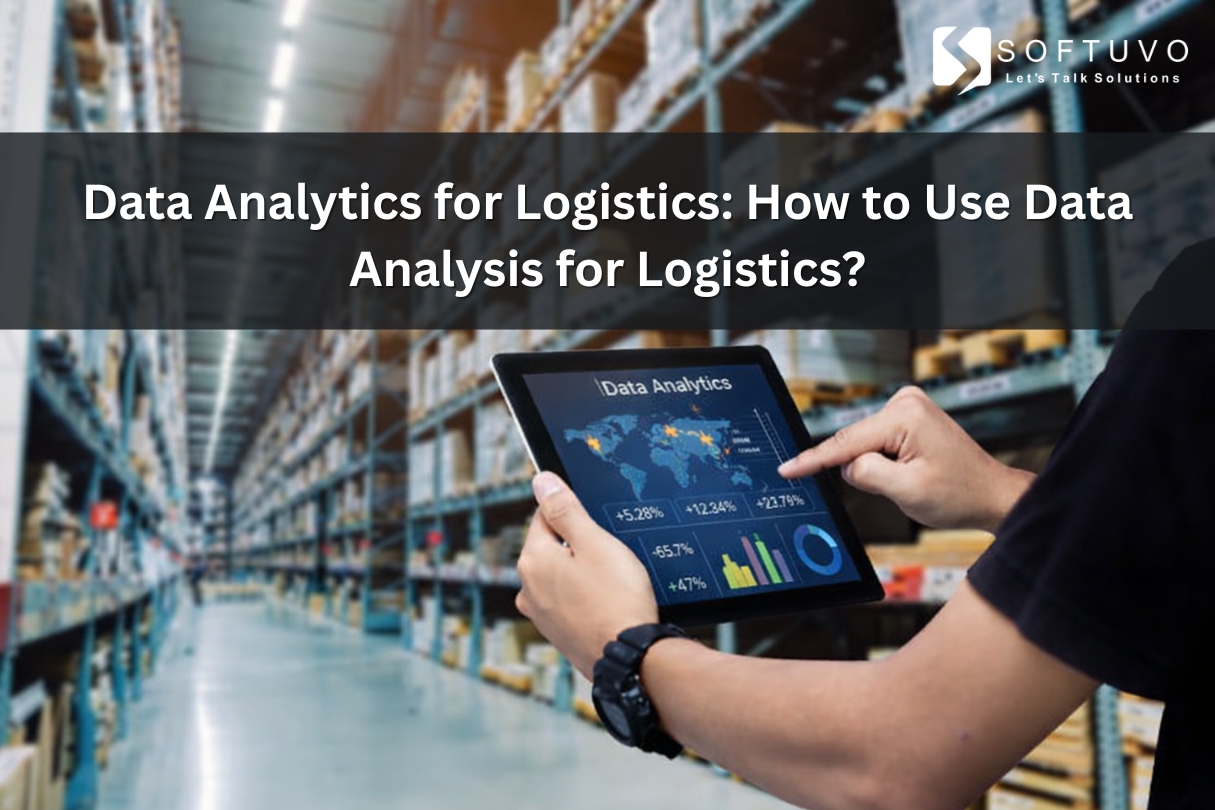
At 6:40 AM, a fleet manager notices something unusual. Three trucks, three different cities, all running late. And it hasn’t even started raining yet. By noon, customer calls begin. By evening, penalties are applied. At first, it appears to be bad luck. However, when the operations team reviews their historical data later that week, they discover something uncomfortable: this delay pattern has been repeating every Tuesday for the past two months. Same route. Same traffic surge. Same delivery window. The signs were always there. They just never connected the dots. This is exactly where data analytics for logistics changes everything, not by complicating operations, but by revealing patterns that humans alone can’t consistently detect. Most logistics businesses already generate enormous amounts of data every day: GPS tracking from vehicles Warehouse barcode scans Dispatch and delivery timestamps Fuel consumption logs Customer order histories Maintenance records The problem isn’t a lack of data. The problem is fragmentation. Often, this critical information is spread across various organizational systems, each managed by a different team. For instance, fleet operations might use one specific tool, warehousing a separate one, and the finance department a third for tracking associated costs. When logistics supply chain management runs on disconnected systems, decisions become reactive. Leaders respond to problems instead of preventing them. By unifying these separate streams, data analytics establishes a single, reliable source of operational truth. This enables managers to gain a deep understanding, not just of what occurred, but also of why it happened and what the future is likely to hold. That shift from hindsight to foresight is where the real value lies. Before talking about AI or forecasting, the foundation must be solid. The first practical step in using data analysis for logistics is unifying your data. If fleet performance, warehouse metrics, and cost reports live in separate dashboards, leadership cannot act confidently. But when data flows into a centralized intelligence platform, something powerful happens: Delivery delays are connected to route congestion trends High fuel costs are linked to specific driving behaviors Frequent returns connect to handling practices or packaging methods Suddenly, operations become measurable instead of mysterious. Clarity reduces stress. And clarity improves control. Many logistics teams still rely on experience-based forecasting. “Last year around this time, orders increased.” "The festive season usually boosts volume.” Experience is valuable, but it isn’t precise. This is where predictive analytics in logistics becomes essential. Instead of estimating demand, companies analyze: Multi-year order patterns Seasonal demand shifts Regional buying behavior Promotion-driven spikes Economic trends Predictive models transform historical data into forward-looking insights. The result? No unnecessary overstocking No emergency stockouts Better fleet allocation Smarter workforce planning Planning becomes structured rather than emotional. And in logistics, planning accuracy directly affects profitability. Every logistics company uses GPS. But basic navigation only finds the shortest route. Shortest doesn’t always mean smartest. Advanced data analytics for logistics considers: Time-of-day traffic trends Historical congestion patterns Vehicle load efficiency Fuel consumption behavior Delivery priority commitments For example, a slightly longer highway route may consume less fuel and avoid heavy city congestion, resulting in faster overall delivery. Analytics systems can detect such patterns instantly. When applied properly, route optimization: Reduces empty miles Improves on-time delivery rates Cuts fuel expenses Extends vehicle life And importantly, it does all of this without increasing fleet size. That’s operational maturity, achieving more with the same resources. Warehouses often hide inefficiencies that go unnoticed for years. Workers may walk several kilometers daily while picking orders. Certain aisles may create repeated congestion. High-demand items might be stored too far from dispatch zones. Heatmap-based warehouse analytics can reveal: Frequently accessed product zones Bottleneck points in picking routes Inefficient storage layouts Labor-intensive processes Once these patterns become visible, layout adjustments can significantly improve productivity. Better placement means fewer steps. Fewer steps mean faster fulfillment. Faster fulfillment means happier customers. This is where logistics supply chain management evolves from manual supervision to intelligent optimization. Carrier relationships are often built on trust and a long history. But what if performance data shows something unexpected? Carrier A delivers 8% faster Carrier B reports 15% higher damage claims Carrier C struggles with rural routes With analytics, performance becomes transparent. Instead of relying on perception, companies negotiate contracts using measurable metrics like On-time delivery rate Cost per shipment Damage frequency Customer feedback This creates stronger partnerships based on accountability. And accountability improves long-term reliability. Traditional reporting systems provide insights after problems occur. Modern predictive analytics in logistics goes further; it suggests action. Instead of simply flagging a risk, systems can recommend, "Based on forecasted rainfall, route congestion data, and current fleet capacity, reroute shipments through Corridor B to avoid a 3-hour delay.” This moves logistics from reactive management to intelligent execution. It doesn’t remove human decision-making. It strengthens it. When data analytics for logistics is implemented correctly, the impact is measurable. Organizations often experience: Lower transportation costs Reduced inventory waste Fewer delivery delays Improved customer satisfaction Better compliance with sustainability goals Reduced operational stress for managers Perhaps the biggest benefit is confidence. When leaders have data-backed insights, decisions feel strategic instead of risky. That confidence influences the entire organization. Logistics is no longer just about moving goods. Margins are tightening. Customers expect real-time tracking. Sustainability reporting is becoming mandatory across global markets. Competition is intense. Companies relying only on experience may survive. Companies combining experience with analytics will lead. The future belongs to organizations that treat data as a strategic asset, not just a byproduct of operations. Importantly, data analytics does not replace traditional logistics knowledge. It enhances it. The discipline and coordination that built the logistics industry remain essential. Analytics simply strengthens those foundations. The logistics industry has always valued precision and reliability. Today, precision comes from insight. And insight comes from thoughtfully applied data analytics for logistics. You don’t need to transform everything overnight. Start small. Unify your data. Measure consistently. Forecast intelligently. Optimize step by step. The companies that master their data won’t just move goods efficiently. They’ll move forward with clarity, control, and confidence. If you're ready to build a smarter logistics ecosystem backed by real analytics and intelligent automation, it may be time to explore how the right technology partner can support your journey. Data analytics for logistics involves collecting and analyzing operational data, including shipments, routes, warehouse activity, and fuel usage, to improve efficiency, reduce costs, and enhance decision-making. Regular analytics focuses on past and present performance. Predictive analytics in logistics uses historical data and machine learning models to forecast future outcomes like demand increases, route delays, or maintenance needs. It increases visibility across procurement, storage, transportation, and delivery. This helps reduce bottlenecks, improve inventory control, and enhance coordination between partners. Yes. Even basic dashboards, route tracking tools, and forecasting systems can deliver measurable improvements without heavy infrastructure investment. Common data sources include GPS tracking, delivery timestamps, order histories, fuel records, warehouse scans, maintenance logs, and customer feedback.The Real Challenge in Logistics Isn’t Movement, But It’s Visibility
Step 1: Turn Scattered Information into One Clear Operational View
Step 2: Stop Guessing Demand, Start Forecasting It
Step 3: Route Optimization That Actually Saves Money
Step 4: Use Warehouse Data to Reduce Human Effort
Step 5: Evaluate Carriers Using Data, Not Assumptions
From Reports to Real-Time Action
What Businesses Gain in Real Terms
Why This Matters in 2026
Final Thought
FAQs
1. What is data analytics for logistics?
2. How is predictive analytics different from regular analytics?
3. How does data analytics improve logistics supply chain management?
4. Can small or mid-sized logistics companies use data analytics?
5. What types of data are most important in logistics analytics?