
How Does Mobile Application Development for Healthcare Improve Patient Care?
The healthcare industry is undergoing a major digital transformation. Hospitals, clinics, and healthcare providers are increasingly using technology to improve patient care, reduce operational challenges, and make healthcare services more accessible. One of the most important innovations supporting this shift is mobile app development for healthcare.
Today, patients expect convenient and fast access to medical services. They want to schedule appointments online, consult doctors remotely, receive medication reminders, and track their health in real time. Mobile healthcare applications make all of these services possible through a simple and user-friendly interface.
For healthcare providers, mobile apps help improve patient communication, streamline operations, and offer more personalized care. Softuvo helps healthcare organizations build secure and scalable mobile solutions that improve both patient experience and clinical efficiency.
In this blog, we will explore how mobile app development is improving patient care, the technologies behind these applications, and why healthcare organizations are increasingly investing in digital healthcare platforms.
The Growing Importance of Mobile Apps in Healthcare
Mobile technology has become a part of everyday life. People rely on smartphones for communication, banking, education, and now even healthcare services. This shift has created new opportunities for healthcare providers to connect with patients beyond traditional hospital visits.
With mobile app development for healthcare, medical services can now be delivered directly to patients through their smartphones. These applications allow patients to:
Book doctor appointments instantly
Access their medical records
Receive medication reminders
Track vital health data
Communicate with healthcare professionals
Instead of waiting in long hospital queues, patients can manage many aspects of their healthcare from home. This improves convenience for patients while also helping hospitals manage their resources more efficiently.
Healthcare providers are also using mobile apps to improve treatment planning, monitor patient health, and reduce administrative workload.
Enhancing Patient Engagement with Digital Healthcare Solutions
Patient engagement plays a crucial role in successful treatment outcomes. When patients are actively involved in managing their health, they are more likely to follow treatment plans and maintain healthier lifestyles.
This is where digital patient engagement solutions make a significant impact.
Mobile healthcare apps can keep patients informed and engaged through features such as the following:
Appointment reminders
Medication alerts
Health tracking dashboards
Educational health content
Personalized health recommendations
For example, a patient managing diabetes can use a mobile app to track blood sugar levels and share the data with their doctor. Similarly, heart patients can monitor their heart rate and receive alerts if abnormal readings occur.
By giving patients better control over their health data, these digital solutions encourage proactive healthcare management and stronger patient-doctor relationships.
Remote Patient Monitoring for Better Care
Remote patient monitoring is another major advantage of healthcare mobile applications. Mobile apps integrated with wearable devices allow doctors to track patient health data in real time.
These apps can monitor various health indicators, including
Heart rate
Blood pressure
Blood glucose levels
Oxygen saturation
Physical activity levels
Doctors can analyze this data remotely and detect potential health issues before they become serious problems. This approach is especially helpful for patients with chronic conditions such as diabetes, hypertension, or heart disease.
Remote monitoring also reduces the need for frequent hospital visits, making healthcare more convenient for patients and reducing pressure on healthcare facilities.
Many healthcare providers are now working with experienced partners like Softuvo to build mobile platforms that support advanced patient monitoring and data sharing.
Streamlining Healthcare Operations with CRM Mobile Solutions
Healthcare providers handle large volumes of patient information every day. Managing appointments, medical records, billing, and follow-up communication can be complex without the right systems in place.
This is where healthcare CRM mobile solutions play an important role.
Healthcare CRM systems integrated with mobile apps help organizations manage patient relationships more effectively. These systems allow healthcare providers to:
Manage patient records in one centralized platform
Automate appointment scheduling and reminders
Track patient history and treatment plans
Improve communication between medical teams
Simplify billing and administrative processes
Doctors and healthcare staff can access patient data quickly through mobile devices, allowing them to make faster and more informed decisions.
By improving coordination between healthcare departments, CRM-based mobile solutions help healthcare organizations deliver more efficient and personalized care.
Telemedicine and Virtual Healthcare Services
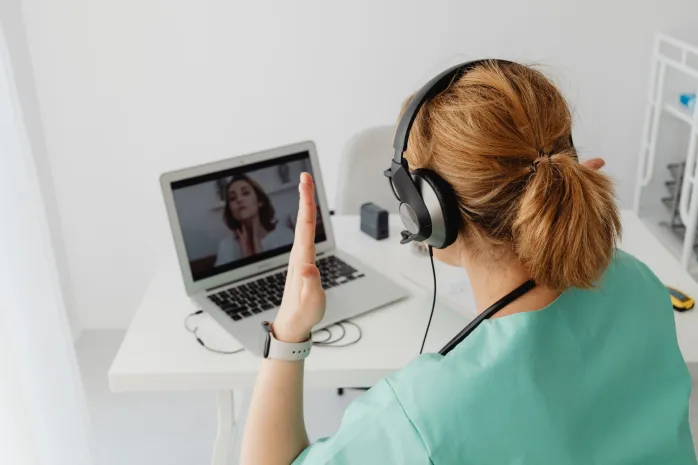
Telemedicine has become one of the most widely adopted digital healthcare services in recent years. Mobile applications have made virtual healthcare consultations easier and more accessible for patients around the world.
Through healthcare apps, patients can consult doctors via:
Video calls
Secure messaging
Online appointment booking
Digital prescriptions
Telemedicine is particularly valuable for patients living in rural areas or those who cannot frequently visit healthcare facilities. It also helps doctors provide follow-up consultations without requiring patients to travel.
Mobile healthcare platforms make telemedicine convenient, efficient, and accessible. As a result, many healthcare providers are investing in mobile solutions developed by experienced healthcare app development companies to expand their digital healthcare services.
Ensuring Security with HIPAA-Compliant Mobile Apps
Healthcare applications manage highly sensitive patient data, including medical records, prescriptions, and personal information. Protecting this data is essential for maintaining patient trust and meeting regulatory requirements.
This is why healthcare apps must follow strict security standards and comply with regulations such as HIPAA.
HIPAA-compliant mobile apps ensure that patient information is stored and transmitted securely. These apps typically include security features such as
End-to-end data encryption
Secure login authentication
Role-based data access
Protected cloud storage
Regular security monitoring and updates
Healthcare organizations must work with experienced developers who understand these compliance requirements. A reliable healthcare app development company ensures that mobile healthcare platforms meet both security and regulatory standards.
Softuvo focuses on building secure healthcare applications that protect patient data while enabling smooth and reliable digital healthcare services.
The Future of Mobile Healthcare Applications
The future of healthcare will be increasingly driven by digital innovation. Mobile applications will continue to play a key role in improving healthcare accessibility, efficiency, and patient outcomes.
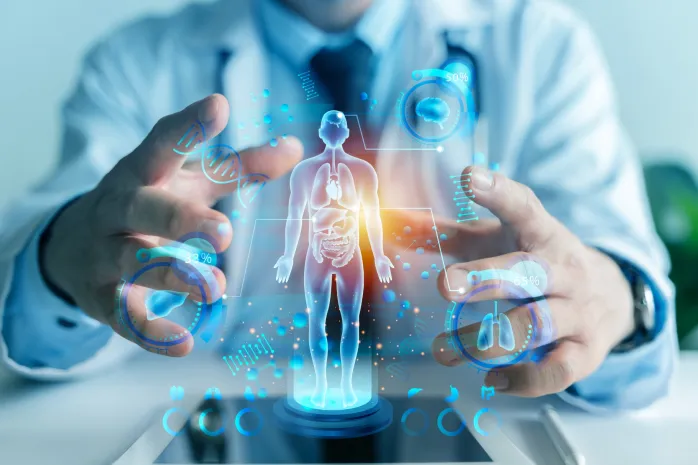
Emerging technologies such as artificial intelligence, wearable devices, and predictive analytics will make healthcare apps even more powerful.
In the coming years, healthcare apps may offer:
AI-based health insights and symptom analysis
Advanced remote patient monitoring
Personalized treatment recommendations
Integration with smart medical devices
Predictive health alerts
These innovations will help doctors make faster decisions and allow patients to manage their health more effectively.
Organizations investing in mobile app development for healthcare today are preparing for a more connected and technology-driven healthcare ecosystem.
AI-based health insights and symptom analysis
Advanced remote patient monitoring
Personalized treatment recommendations
Integration with smart medical devices
Predictive health alerts