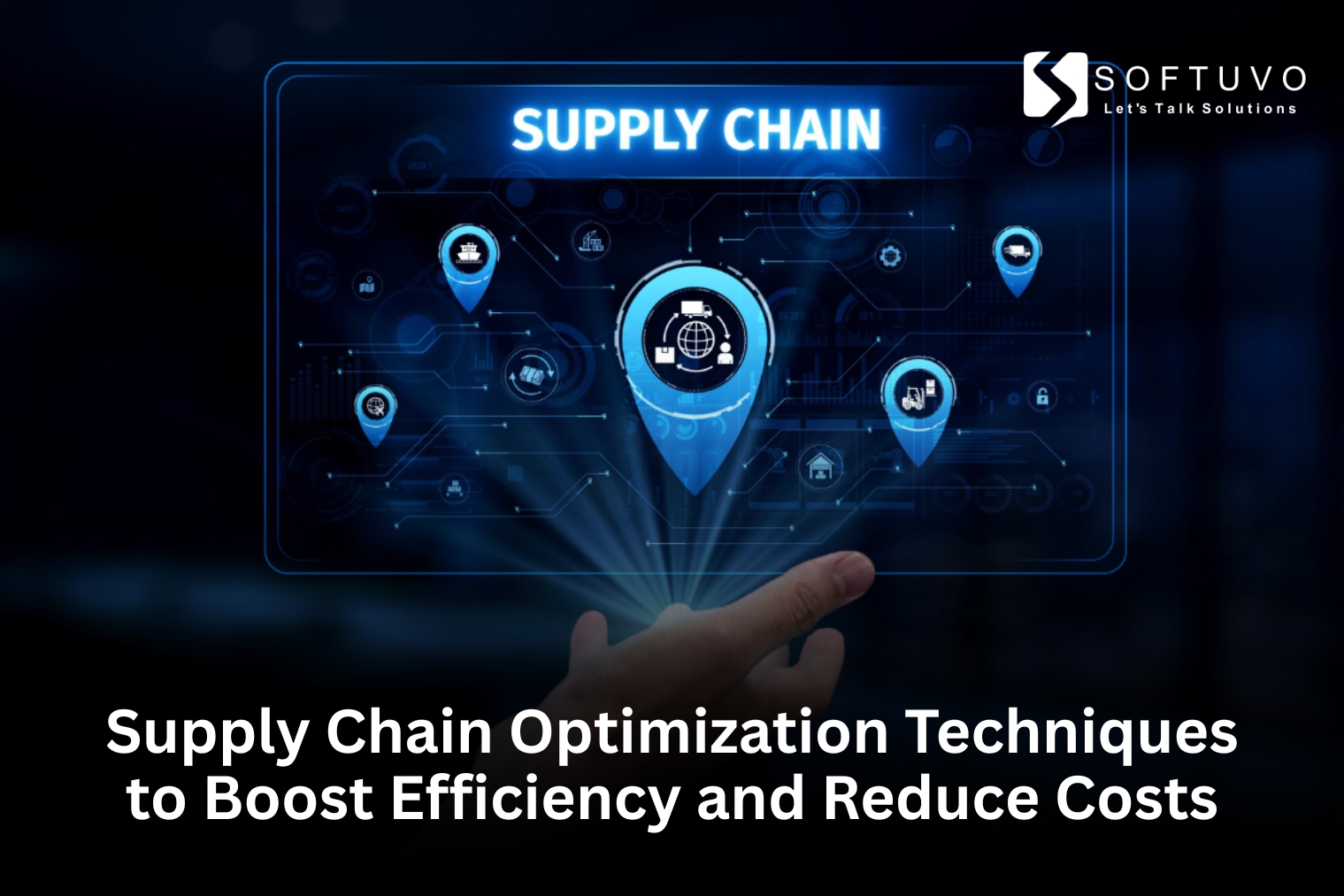
Supply Chain Optimization Techniques to Boost Efficiency and Reduce Costs
Even a single disruption in the supply chain can create a ripple effect that slows down production for months, often resulting in multi-billion-dollar losses across industries.
This is the reality of modern supply chains: highly interconnected, fast-moving, and increasingly vulnerable.
Today, supply chain optimization is no longer just about cutting costs. It’s about building intelligent and adaptive systems that can respond to disruptions, predict demand shifts, and operate efficiently at scale.
Businesses that treat supply chains as strategic assets and not as operational backends are the ones gaining a competitive edge. Let’s explore how organizations can achieve that.
What is Supply Chain Optimization?
Supply chain optimization is the strategic application of data, technology, and planning to enhance the movement of goods, information, and financial resources throughout the supply chain.
This includes:
Procurement
Production
Warehousing
Transportation
Distribution
Unlike traditional supply chain management, which focuses on coordination, optimization focuses on continuous improvement, predictive decision-making, and cost-efficiency.
Importance of Supply Chain Optimization
Modern supply chains face challenges that didn’t exist a decade ago:
Volatile demand patterns
Global disruptions (pandemics, geopolitical issues)
Rising logistics costs
Customer expectations for faster delivery
According to industry studies, companies with optimized supply chains can reduce operational costs by up to 15% and improve service levels by 20–30%.
This is why businesses are investing heavily in advanced logistics and supply chain management systems.
Advanced Supply Chain Optimization Techniques
Instead of repeating common advice, let’s focus on high-impact, modern techniques that are transforming supply chains today.
1. AI-Driven Demand Forecasting
Traditional forecasting relies heavily on historical data. But in today’s unpredictable markets, past trends are not always reliable.
AI and machine learning models:
Analyze real-time data (weather, social trends, market signals)
Detect patterns humans might miss
Continuously refine predictions
Example: Retail giants use AI to adjust inventory based on regional buying behavior, reducing overstocking and stockouts simultaneously.
Impact:
Improved inventory accuracy
Reduced carrying costs
Better customer satisfaction
2. Digital Twins for Supply Chains
A digital twin is a virtual replica of your supply chain. It allows businesses to:
Simulate disruptions
Test different strategies
Predict outcomes before implementing changes
Instead of reacting to problems, companies can anticipate and prevent them.
Example: A manufacturer can simulate a supplier delay and evaluate alternate sourcing strategies before the issue occurs.
Impact:
Risk reduction
Faster decision-making
Better contingency planning
3. Multi-Tier Supplier Visibility
While most companies focus solely on their direct suppliers (Tier 1), significant risks frequently originate from deeper levels within the supply chain, such as Tier 2 or Tier 3 suppliers.
Modern supply chain optimization involves:
Mapping the entire supplier network
Monitoring supplier performance in real time
Identifying hidden vulnerabilities
Impact:
Reduced disruption risk
Stronger supplier relationships
Better compliance and transparency
4. Dynamic Inventory Optimization
Static inventory models no longer work.
Dynamic systems:
Adjust stock levels based on demand fluctuations
Consider lead times, seasonality, and logistics constraints
Use real-time analytics to make decisions
Example: E-commerce platforms adjust warehouse inventory daily, based on regional demand spikes.
Impact:
Lower storage costs
Reduced wastage
Faster order fulfillment
5. Smart Logistics with Route Optimization
Transportation is one of the most expensive parts of any supply chain.
Advanced route optimization uses:
Real-time traffic data
Fuel costs
Delivery priorities
To create the most efficient delivery paths.
Impact:
Reduced fuel consumption
Faster delivery times
Lower operational costs
6. Automation in Warehousing
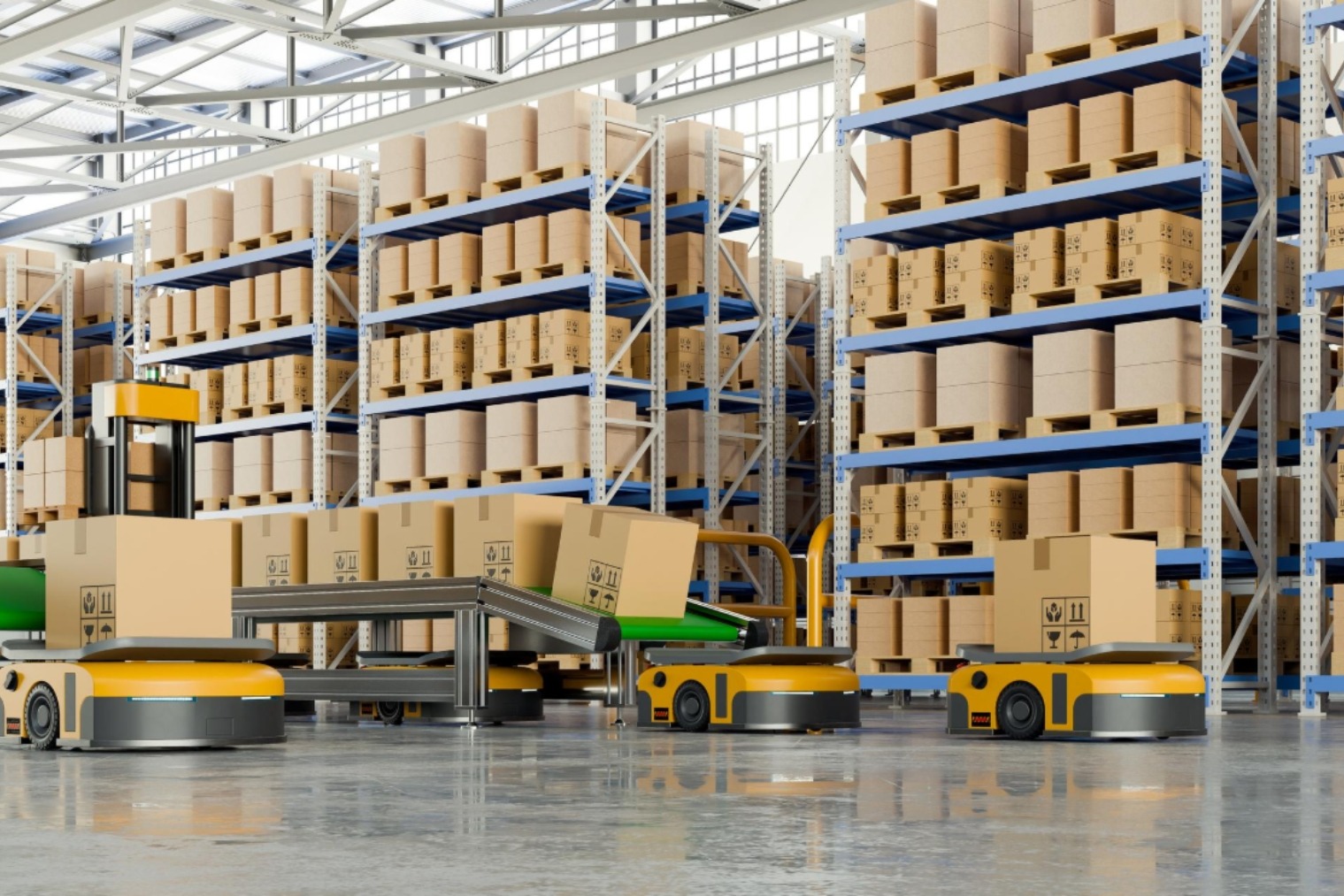
Automation is no longer limited to large enterprises.
Technologies include:
Automated picking systems
Robotics for material handling
Smart warehouse management systems
Impact:
Reduced labor costs
Increased accuracy
Faster processing times
7. Blockchain for Transparency and Trust
Blockchain technology is gaining traction in logistics and supply chain management.
It provides:
Immutable transaction records
Real-time tracking
Secure data sharing between stakeholders
Impact:
Reduced fraud
Improved traceability
Enhanced trust across partners
8. Sustainability-Driven Optimization
Sustainability is no longer optional; it’s a business requirement.
Modern supply chain optimization includes:
Reducing carbon footprint
Optimizing packaging
Choosing eco-friendly transportation options
Impact:
Cost savings in the long run
Stronger brand reputation
Regulatory compliance
Common Mistakes Businesses Make
Even with the right intentions, many organizations struggle with supply chain optimization due to avoidable mistakes:
1. Over-Reliance on Manual Processes
Manual decision-making slows down operations and increases errors.
2. Lack of Data Integration
Disconnected systems prevent accurate insights.
3. Ignoring Scalability
Solutions that work today may fail as the business grows.
4. Focusing Only on Cost Reduction
Optimization is not just about cutting costs; it’s about improving efficiency and resilience.
How Technology Partners Make a Difference
Implementing these techniques requires more than tools; it requires expertise.
This is where Softuvo plays a crucial role.
With deep experience in software development and enterprise solutions, Softuvo helps businesses:
Build customized supply chain platforms
Integrate AI and automation tools
Develop scalable logistics systems
Enable real-time data visibility
Instead of adopting generic solutions, businesses can create customized systems aligned with their unique supply chain needs.
The Future of Supply Chain Optimization
Looking ahead, supply chains will become:
1. Self-Healing
Systems automatically detect disruptions, analyze root causes, and resolve issues effectively without human intervention.
2. Hyper-Personalized
Supply chains adapt to individual preferences using data, enabling customized delivery, inventory, and demand planning.
3. Fully Digital
End-to-end visibility connects all operations digitally, allowing real-time tracking, insights, and better decision-making processes.
4. AI-First
AI-driven systems use predictive analytics and real-time data to enable faster, smarter supply chain decisions.
Final Thoughts
Supply chain optimization is no longer something businesses can treat as a one-time fix. It’s a continuous journey that evolves as markets shift, customer expectations grow, and disruptions become more frequent.
The companies that truly succeed are the ones building smarter, more responsive systems. By investing in intelligent technologies, real-time data visibility, and strong strategic partnerships, businesses can move from reactive problem-solving to proactive decision-making.
And that’s the real shift.
In today’s world, disruptions are not rare events; they are part of the system. The goal is no longer to avoid them completely but to be prepared, adaptable, and quick to respond when they occur.
And that’s where true optimization begins.