
What is fleet route optimization? A guide to improving fleet efficiency
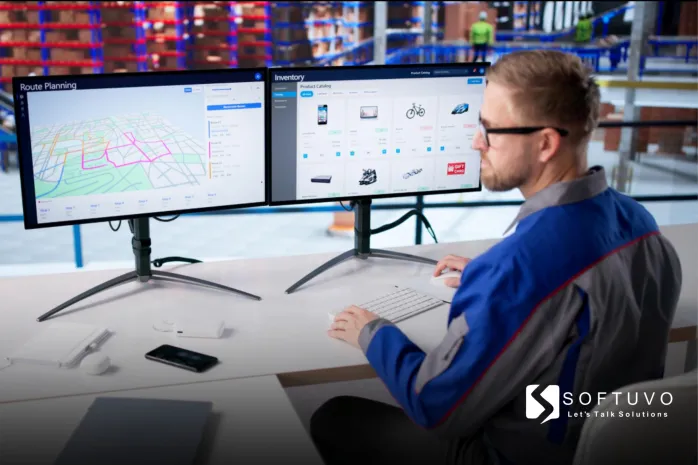
Most logistics leaders don’t realize this, but their biggest loss isn’t fuel, delays, or even driver inefficiency. It’s “almost optimal routing.” Routes that look fine on paper but silently drain margins: A 7-minute longer route repeated 300 times a day A delivery sequence that increases idle time A missed opportunity to combine loads These small inefficiencies don’t trigger alarms, but over time, they quietly eat into profitability. This is where logistics fleet optimization stops being a technical upgrade and becomes a business strategy. Fleet route optimization is often misunderstood as “finding the shortest path," but in real-world logistics, the shortest route is rarely the best one. Modern fleet route management is now balancing multiple moving variables: Delivery priorities Vehicle capacity Traffic behavior patterns Driver availability Customer time windows In simple terms, it answers, "What is the smartest way to move goods, not just the fastest?” For years, businesses relied on: Static route planning Manual dispatch decisions Driver experience These methods worked effectively when order volumes were low, delivery expectations were flexible, and fuel costs were manageable. But today’s logistics environment is different: Same-day delivery expectations Rising fuel costs Urban congestion Multi-location operations Traditional routing creates bottlenecks because it cannot adapt in real time. That’s why companies are now turning to fleet management software that can think, adjust, and optimize continuously. Fleet route optimization is influencing the results of businesses beyond operational efficiency. Optimized routes reduce: Fuel consumption Overtime hours Vehicle wear and tear Even a 5–10% improvement in the route efficiency can significantly impact annual margins. Customers today value consistency more than speed. Optimized routing ensures: Accurate ETAs Fewer missed deliveries Better customer trust Businesses can now do more with what they already have, rather than simply adding more vehicles. They can: Maximize the capacity of their current fleet Cut down on empty trips Refine how they plan loads Today's systems offer data-driven insights, including Trends in route performance Patterns in driver behavior Delivery success rates Real efficiency comes from how optimization is implemented. Here are some key points that define modern logistics fleet optimization: Instead of fixed routes, modern systems adjust in real time based on: Traffic changes Order updates Unexpected delays Advanced systems consider multiple constraints simultaneously: Delivery time windows Vehicle load limits Driver working hours Modern fleet management software is proactive and predictive, not merely reactive. Traffic patterns based on historical data Delivery delays before they happen Demand spikes The order of deliveries matters more than most businesses realize. Smart sequencing can: Reduce idle time Minimize backtracking Improve delivery flow Optimization becomes powerful when connected with: Order management systems Warehouse systems CRM platforms Despite having the correct instruments, numerous businesses struggle to attain genuine optimization. Solution: Continuously refine routes using real-time data. Drivers understand on-the-ground realities better than systems alone. Solution: Combine system intelligence with driver feedback. Shortest distance ≠ fastest or most efficient route. Solution: Optimize for time, cost, and delivery success, not just distance. Disconnected systems lead to fragmented decisions. Solution: Use integrated fleet management software for end-to-end visibility. Imagine a mid-sized logistics company handling 500 deliveries daily. Without optimization: Routes are manually assigned Drivers face delays due to traffic Vehicles return partially empty After implementing intelligent fleet route management: Routes adjust dynamically Deliveries are grouped efficiently Vehicles operate closer to full capacity Result: 12% reduction in fuel costs 18% improvement in delivery time accuracy Higher customer satisfaction This is the tangible effect of structured optimization, not a theoretical concept. At Softuvo, fleet optimization is not approached as a generic software solution; it’s treated as a business transformation tool. Softuvo focuses on: Custom-built fleet management software to operational needs Intelligent routing systems designed for scalability Integration with existing business workflows Instead of offering one-size-fits-all solutions, Softuvo works closely with logistics leaders to: Identify inefficiencies Build adaptive routing systems Enable long-term optimization strategies The next phase of logistics fleet optimization is already evolving. We are moving toward: AI-driven autonomous decision-making Real-time fleet visibility across geographies Hyper-personalized delivery routes Businesses that adopt these technologies early will not just improve efficiency, but they will redefine how logistics operates. It reduces small inefficiencies that add up, like extra miles, idle time, and poor route planning. Over time, this means lower costs and better use of your fleet. Look for real-time tracking, smart routing, and easy integration with your current systems. It should also scale as your operations grow. Yes, modern systems adjust routes in real time when there’s traffic, delays, or new orders, so operations don’t get disrupted. Because they treat it as a one-time setup. To see real results, routes need to be updated regularly based on data and changing conditions. Fleet route optimization is a crucial competitive advantage. In an industry where margins are tight and expectations are high, even small inefficiencies compound quickly. The real question is not "Do we need route optimization?” But: “How much inefficiency can we afford to ignore?”The Hidden Cost of “Almost Efficient” Routes
What Is Fleet Route Optimization?
Why Traditional Routing Methods No Longer Work
The Real Impact of Route Optimization on the Performance of Business
1. Reduced Operational Costs
2. Improved Delivery Reliability
3. Better Asset Utilization
4. Data-Driven Decision Making
What Makes Route Optimization “Advanced” Today?
1. Dynamic Routing
2. Multi-Constraint Optimization
3. Predictive Intelligence
4. Route Sequencing Intelligence
5. Integration with Business Systems
Common Mistakes To Achieve Real Optimization
Mistake 1: Treating Optimization as a One-Time Setup
Mistake 2: Ignoring Driver Input
Mistake 3: Over-Focusing on Distance
Mistake 4: Lack of System Integration
A Real-World Scenario: What Optimization Actually Looks Like
How Softuvo Helps Businesses to Achieve Smarter Fleet Efficiency
The Future of Fleet Route Optimization
FAQs
1. How does logistics fleet optimization actually improve profits?
2. What should businesses look for in fleet management software?
3. Can route optimization handle last-minute delivery changes?
4. Why do some companies fail to get results from route optimization?
Conclusion